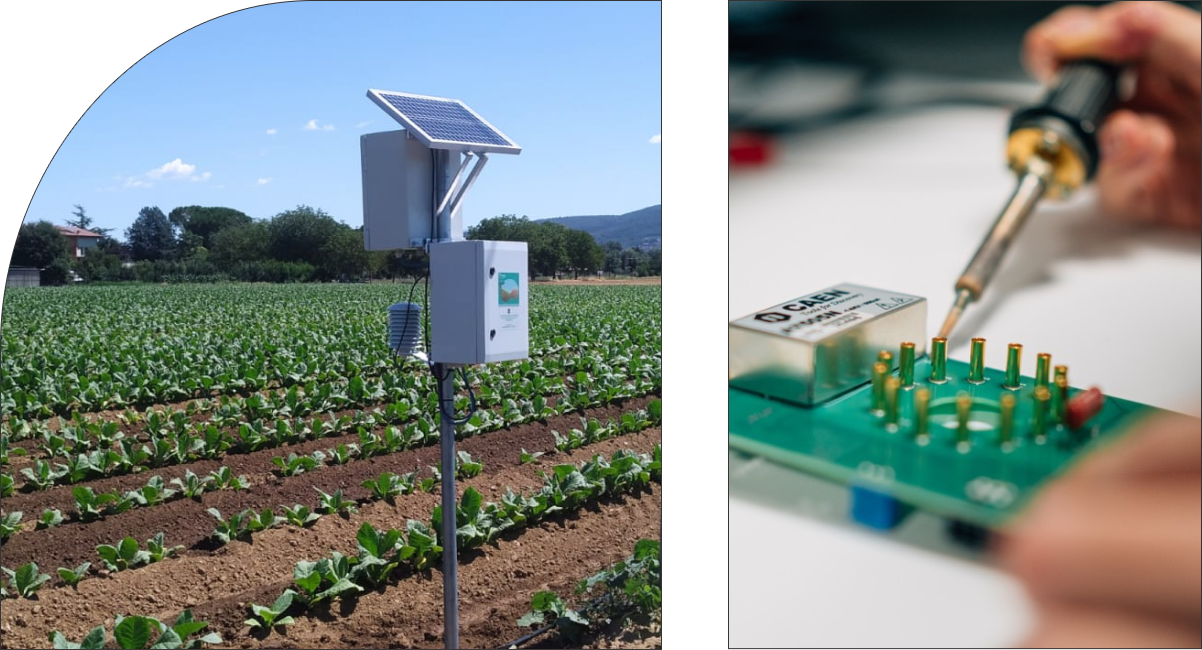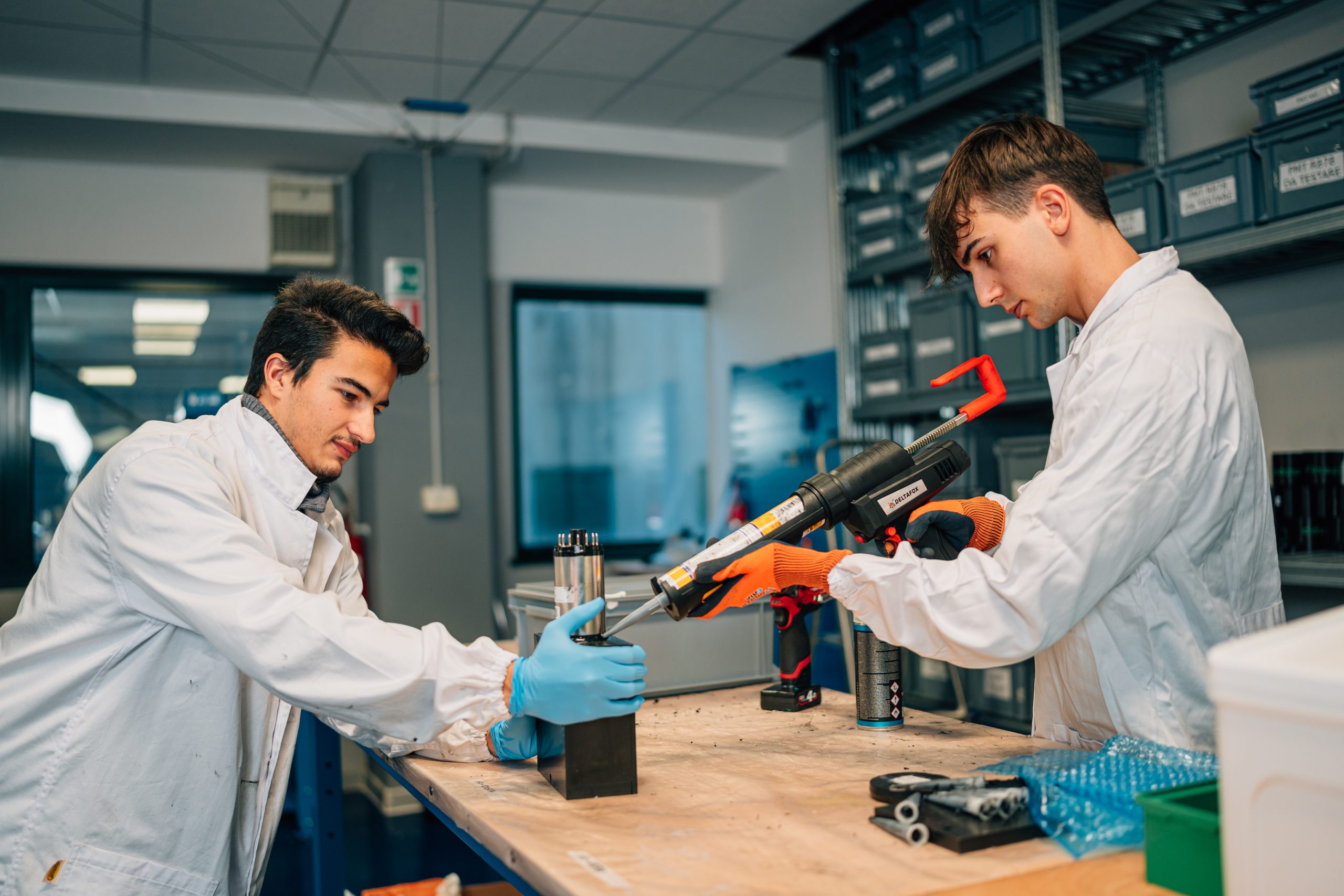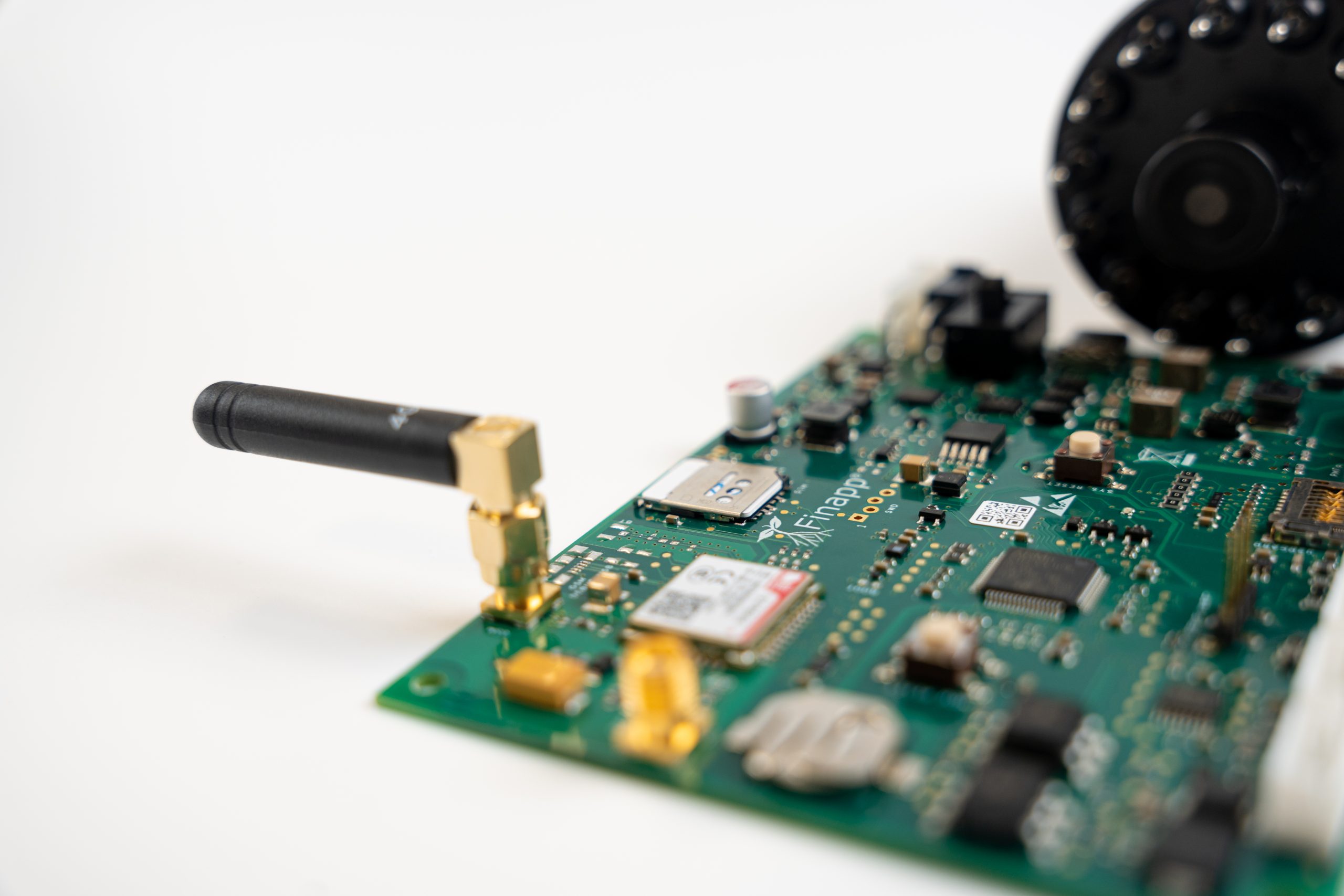

By counting cosmic neutrons, muons, and gamma rays with a single instrument, the Finapp Probe represents a versatile and innovative tool for multiple areas of scientific inquiry. We provide academic research soil moisture data and raw particle counts, empowering universities and institutes with scientific water measurement tools of unprecedented precision.
Home » Applications »
Neutron detectors for research: geosciences & hydrology
The Finapp probe’s outstanding performance in muons measurement, neutron counting, and gamma rays measurement makes it the ideal instrument for advanced research. Unlike standard commercial sensors, our neutron detectors for research offer raw data access and exceptional counting statistics:
- > 3,000 neutrons/h
- > 10,000 muons/h
- > 10,000 mm w.e. (saturation limit)
These performances allow for the detailed study of soil moisture measuring devices and complex hydrological modeling in environments where other sensors fail.
Unmatched performance: neutrons, muons & gamma
Our technology goes beyond simple soil moisture. It is a complete environmental science instrument that supports diverse fields of study:
Download Data Sheet Soil Moisture Plus
- Hydrology & Geosciences: Ideal for geosciences water research, validating satellite remote sensing data, and catchment area analysis.
- Agronomy: Essential for the study of crop production and soil management, allowing researchers to monitor root-zone moisture dynamics without disturbing the soil structure.
- Climate Studies: Perfect for environmental monitoring, tracking long-term soil trends and snow mass balance with the correction provided by incoming muon flux.
Why choose Finapp for academic research?
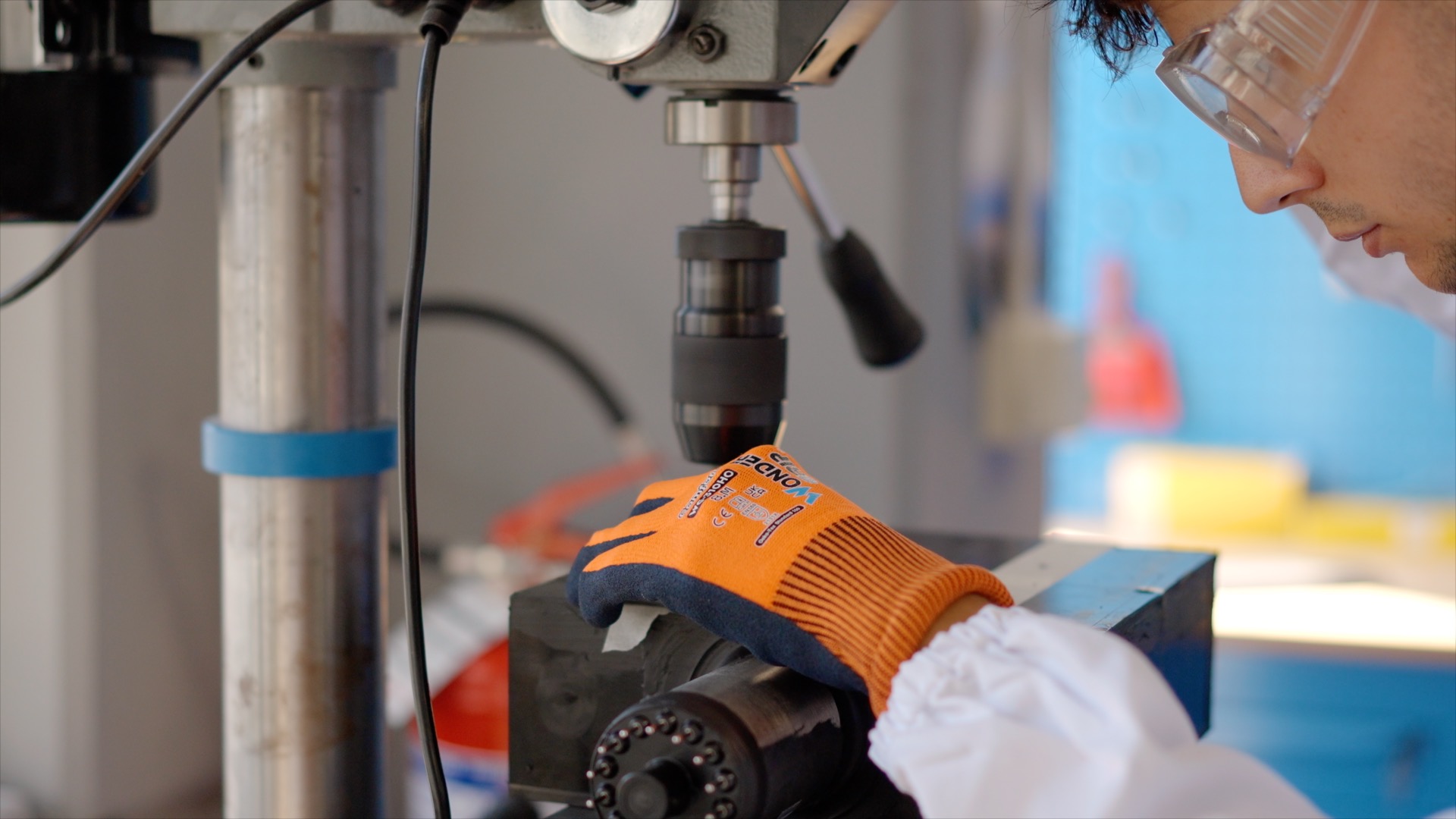
Our team comes from the world of university research (nuclear physics), so we understand the need for reliable hydrology research equipment.
- Continuous & Full-Scale: Measures from 5 to almost 40 hectares (up to 100 acres), providing a statistically significant average that point sensors cannot offer.
- Incoming Correction: The sensor continuously measures muons, allowing for precise correction of the incoming cosmic ray flux, ensuring data stability over time.
- Site Specific: Distinguishes the specific area to be surveyed, eliminating “noise” from surrounding environments.
- Non-Invasive: No site preparation or earthworks required. The ecosystem remains untouched—critical for long-term ecological studies.
- Raw Data Access: Measurements are available on the proprietary Finapp cloud but can be integrated into your own dataloggers or clouds via API.
- Off-Grid Capable: Low energy demand allows operation with small solar panels in remote locations.

FAQ Common Questions
Do plants/forests create interference in the measurement?
No. When neutrons pass through biomass, they interact with the water molecules inside, losing energy. Thanks to our advanced spectroscopy, we can distinguish between high-energy neutrons that have interacted with soil water and lower-energy neutrons moderated by biomass. This capability is unique to advanced CRNS technology.
Does the slope of the ground influence the measurement quality?
It tends not to. Neutrons escape from the ground and distribute themselves spatially in all directions. The measurement remains valid in hilly areas or on terraces. However, extreme topographies—like a very narrow, deep canyon or a vertical rock face immediately next to the probe—may limit the field of view.
Can I access the raw counts for my own calibration?
Yes. Unlike commercial black-box sensors, Finapp allows researchers access to the raw neutron and muon counts, enabling custom calibration and the development of new hydrological models.
Contact Us
Contact Us
Contact Us
Contact Us
Contact Us
Contact Us
Contact Us
Contact Us
Innovation & Partnership: From Lab to Field
At Finapp, we bridge the gap between nuclear physics and environmental application. We enthusiastically help those who advance science for the benefit of humanity.
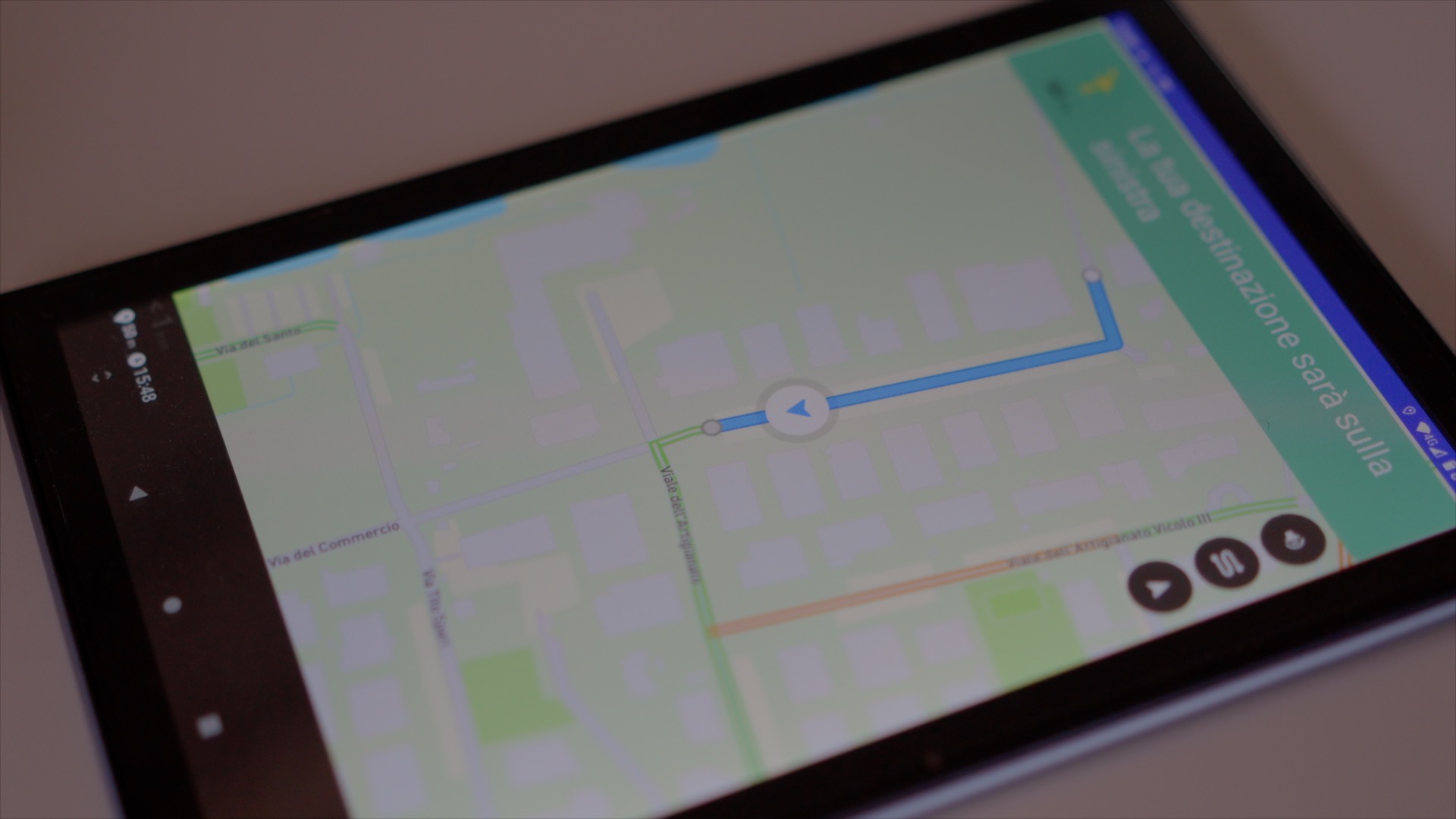
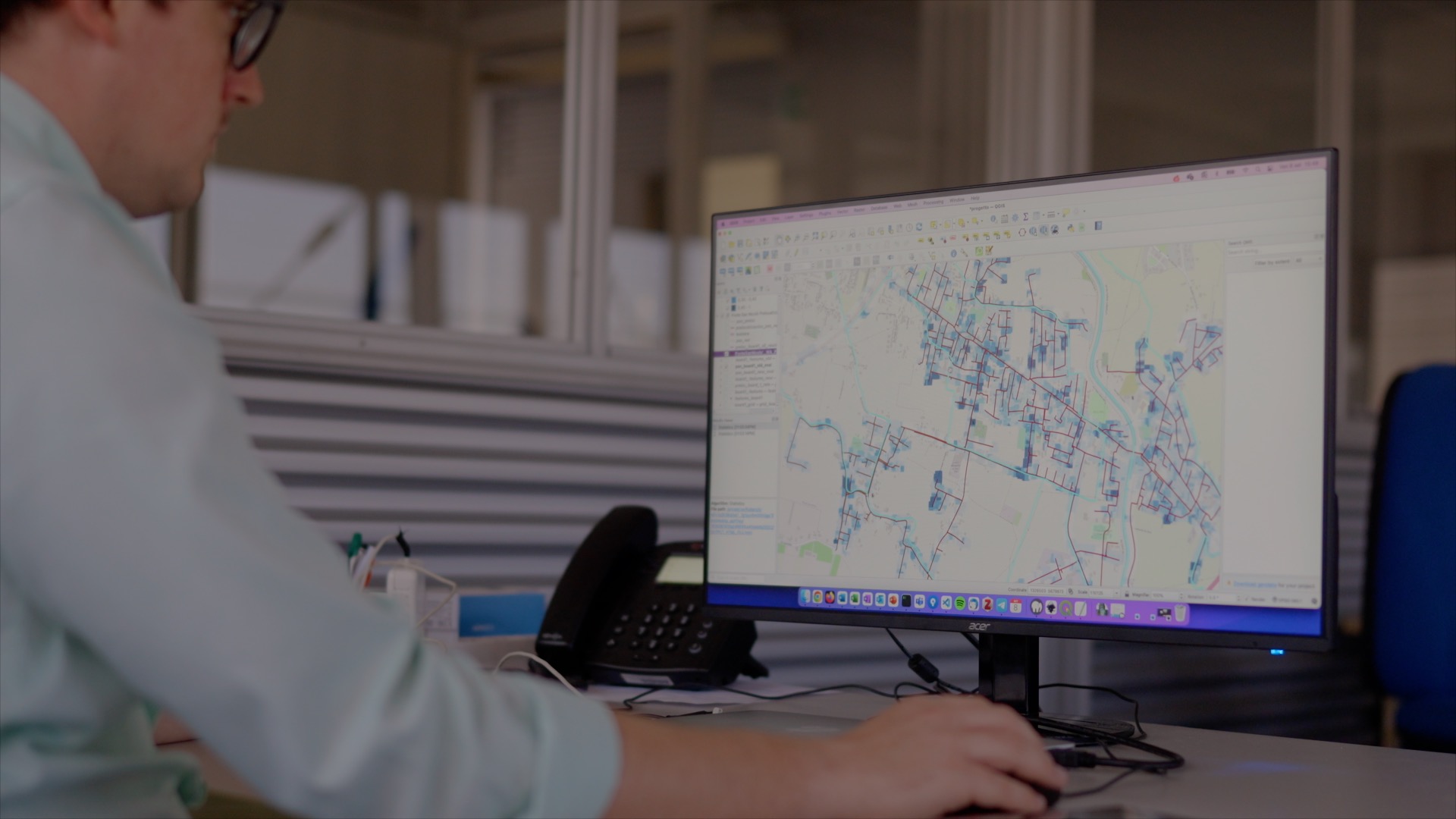
Our technology is so sensitive that it has evolved beyond research: the same precision used for your studies is applied in our Rover to detect microscopic water leaks in urban networks.
Do you have a research project? Our team speaks your language. Contact us for a technical consultation or to discuss custom configurations for your experimental site.
scroll down to explore
scroll down to explore
scroll down to explore
scroll down to explore
scroll down to explore
scroll down to explore
scroll down to explore
scroll down to explore
Filter
Scroll down to explore
Scroll down to explore
Scroll down to explore
Scroll down to explore
Scroll down to explore
Scroll down to explore
Scroll down to explore
Scroll down to explore
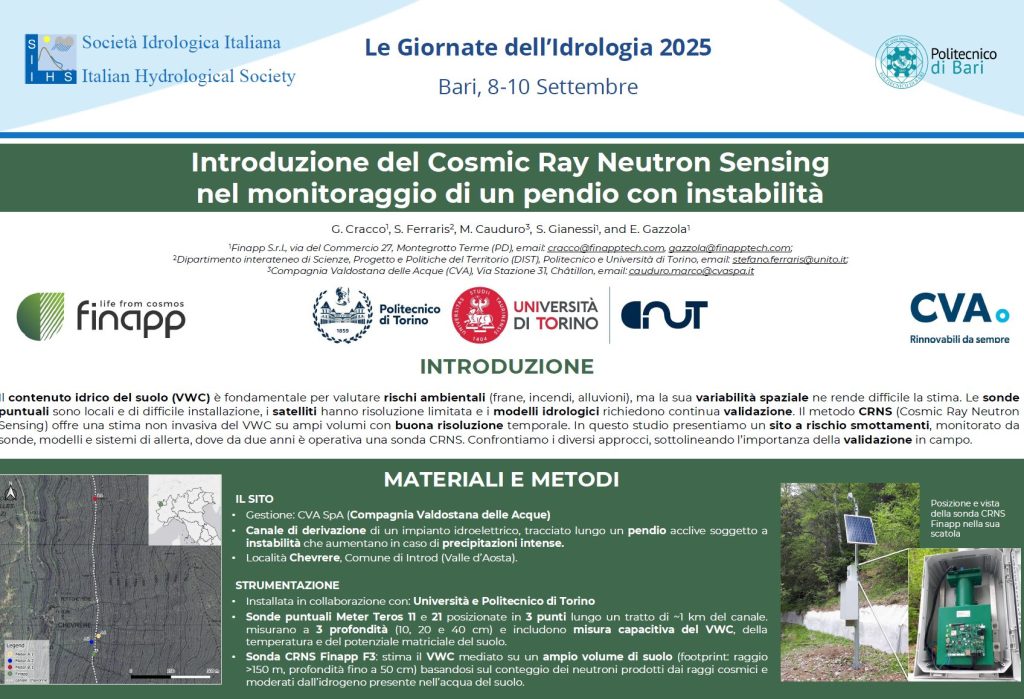
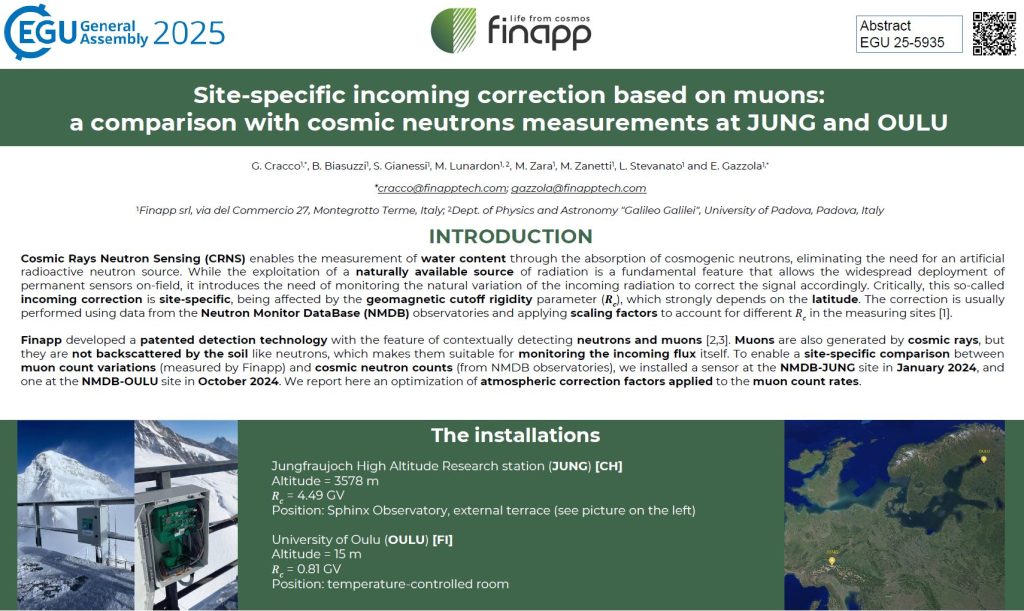
Business Cases, Poster, Abstract, Literature
Here is how professionals and scholars use Finapp probes.
A good example of how to get the maximum benefit from our innovation.